Brand New Engine Versus Used Engine: Which Option Is Right for You?
When evaluating whether to purchase a new engine or opt for a used one, multiple factors come into play. Budget restrictions, intended use, and reliability are crucial elements to examine. Each option presents unique advantages and disadvantages. Understanding these nuances will help identify which option aligns best with specific needs. What factors should be emphasized to guarantee the right decision is made? The discussion advances as we explore the implications of each choice.
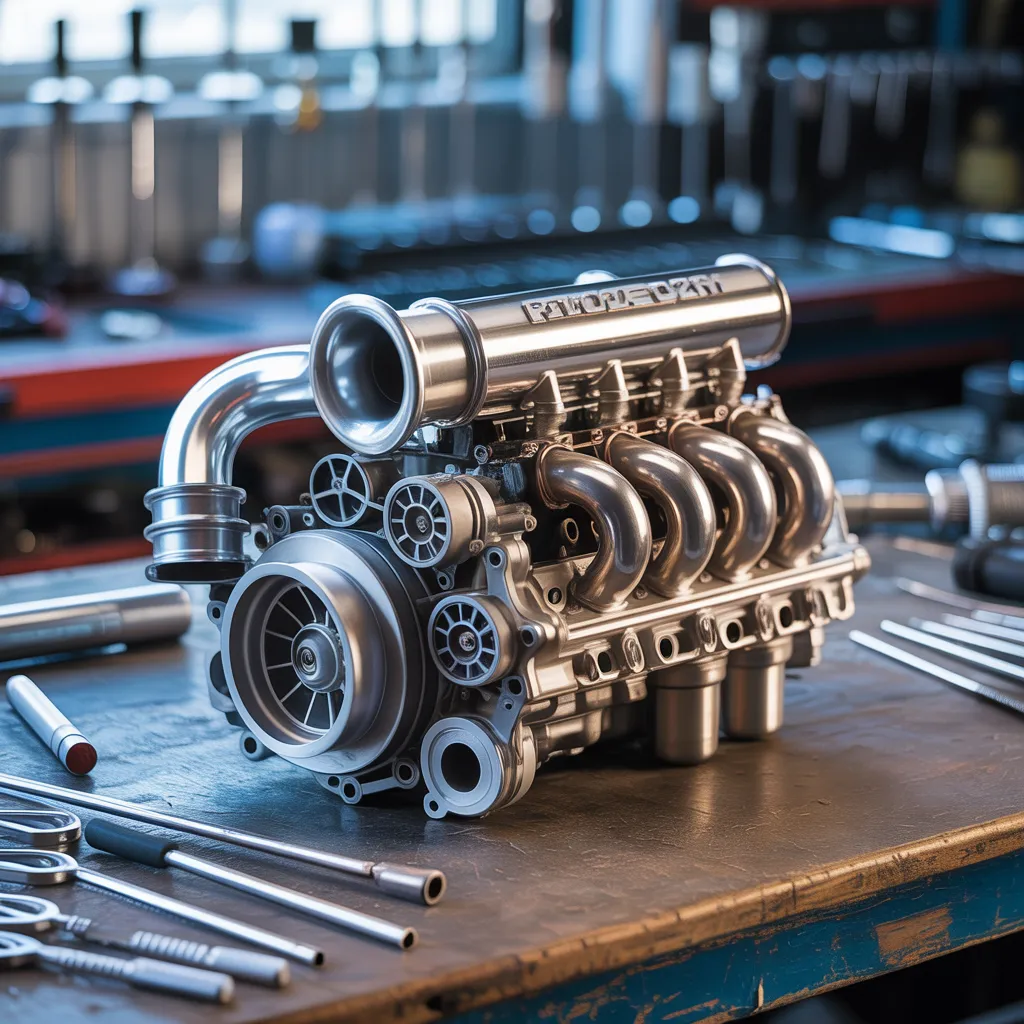
Comprehending New and Used Engines: A Decision Framework
When considering the purchase of an engine, individuals must traverse the complexities of choosing between a new or used option. This decision framework requires several critical factors. First, buyers should analyze their budget, as new engines typically require higher initial costs, whereas used options can offer significant savings. Next, individuals must consider the intended use of the engine. For high-performance applications, a new engine may provide reliability and advanced technology, whereas a used engine may be sufficient for less demanding tasks.
Another factor to consider is warranty and support; new engines commonly come with manufacturer warranties, providing peace of mind. In contrast, used engines may have minimal to no warranties, presenting potential risks. Finally, buyers should research the engine's history, condition, and compatibility with their vehicle. By evaluating these factors, individuals can make well-informed decisions that correspond to their specific needs and financial circumstances.
Why a Fresh Engine Could Be Your Ideal Solution
Why select a new engine over a used one? Opting for a new engine delivers several important advantages. Most importantly, a new engine offers reliability and performance, as it is manufactured to the latest specifications and standards. This provides maximum efficiency and longevity, minimizing the risk of unexpected breakdowns. Furthermore, new engines often come with warranties, ensuring peace of mind and financial protection against potential defects or failures.
Additionally, developments in technology suggest that latest engines typically offer enhanced fuel efficiency and lower emissions, corresponding to environmental standards and potential economies at the pump. The customization features available for new engines also permit buyers to choose features that best match their demands, enriching the overall driving experience.
Benefits of Selecting a Pre-Owned Engine
Choosing a used engine can offer significant financial advantages, making it an attractive choice for many refer to resource vehicle owners. One of the key perks is the decreased cost compared to new engines, which can often be excessively expensive. This affordability allows owners to allocate funds to other maintenance or upgrades for their vehicles.
Furthermore, pre-owned engines are generally easily accessible, especially for vintage or out-of-production vehicles, confirming that vehicle owners can discover suitable alternatives without substantial delays. Moreover, several used engines provide a record of performance, which can give information about their dependability and durability.
Purchasing a used engine also promotes sustainability by reducing waste and promoting the reuse of existing materials. For those who emphasize both economic efficiency and environmental responsibility, a used engine can be a viable solution, providing a balance of performance and value without the financial burden of new engine purchases.
New Compared to Used Engine Prices: What to Expect
Choosing between a new and used engine entails a careful consideration of costs that can significantly impact a vehicle owner's budget. New engines typically carry a higher price tag, often spanning from several thousand to tens of thousands of dollars, depending on the make and model. This price often includes a warranty, which can provide peace of mind for buyers. In contrast, used engines are generally more affordable, with costs varying based on age, condition, and mileage. Prices can span from a few hundred to a few thousand dollars, making them an appealing option for budget-conscious individuals. However, potential buyers should consider additional costs such as installation and any needed modifications. Overall, understanding these cost differences can help vehicle owners make informed decisions that align with their financial situation and long-term vehicle plans.
Trustworthiness and Performance: New Compared to Used Engines
When analyzing the performance and reliability of engines, new engines commonly present substantial benefits over their used counterparts. New engines are built with the latest technology and materials, delivering improved efficiency, reduced emissions, and improved power output. They are subjected to rigorous testing to meet modern standards, which commonly means fewer mechanical issues and a longer lifespan.
Conversely, used engines may have wear and tear from past utilization, potentially leading to diminished performance and reliability. Factors such as maintenance history, mileage, and age can substantially impact their condition. While some used engines can operate adequately, the risk of unexpected failures and expensive repairs is higher.
In the end, for those valuing dependable performance and peace of mind, purchasing a new engine can be the better choice. Used engines may be suitable for budget-conscious buyers, but they come with built-in uncertainties related to reliability and continued performance.
Warranty and Assistance Considerations
While new engines generally come with thorough warranties that offer broad coverage against defects and failures, used engines commonly lack such warranties, which can cause unexpected expenses for buyers. New engine warranties typically cover both parts and labor for a particular duration, delivering peace of mind and financial protection. Buyers can expect support from manufacturers, including regular maintenance recommendations and access to customer service.
By comparison, pre-owned engines may come with little to no warranty protection, making purchasers liable for any fixes. This absence of coverage can complicate the decision-making process, as potential buyers must evaluate the engine's condition and history. Moreover, the availability of support may differ, with some sellers giving limited assistance. As a consequence, people weighing their options must weigh the merits of solid warranty protection against the possible hazards linked to purchasing a used engine, assessing both their budget and their preparedness to handle unexpected repairs.
Which Option Is More Sustainable?
What are the environmental differences between new and used engines? New engines typically incorporate advanced technologies designed to enhance fuel efficiency and minimize emissions. They typically meet stricter environmental regulations, producing lower carbon footprints. That said, the manufacturing process of a new engine demands substantial resources and energy, causing environmental degradation.
Conversely, used engines, although possibly less efficient, encourage sustainability by extending the useful life of existing materials and minimizing waste. Their production has already contributed to environmental impact, making their use a greener option in some cases.
In the end, the environmental benefits of each option rely on multiple factors, including the specific engine models and their operational efficiencies. For individuals prioritizing sustainability, considering the lifecycle emissions and resource use of both new and used engines is crucial in making an informed decision.
Frequently Asked Questions
How Do I Locate a Dependable Used Engine Seller?
To locate a reliable used engine seller, one should investigate online testimonials, obtain recommendations from reliable mechanics, validate warranties, and confirm the dealer provides detailed engine history and compatibility information for particular vehicle demands.
Can I Install a New Engine Myself?
It is possible to install a new engine yourself, provided one possesses proper mechanical skills, tools, and knowledge of the vehicle. Nevertheless, seeking professional assistance is suggested to ensure proper installation and circumvent potential complications.
What Issues Are Common With Used Engines?
Frequent complications with pre-owned engines involve fluid leaks, considerable degradation, timing chain issues, and excessive heat buildup. Additionally, unknown maintenance history and undetected damage can cause unanticipated functionality concerns after installation. Trustworthiness might vary greatly.
How Many Years Do New Engines Usually Last?
New engines generally last between 150,000 to 300,000 miles, based on maintenance and driving conditions. Routine maintenance, quality of components, and driving habits substantially affect their overall performance and longevity over their lifetime.
Do New Engines Come with Financing Options?
Yes, various financing options are available for new engines, including financing through banks, credit unions, and dealerships. These alternatives permit customers to handle costs efficiently while securing a dependable engine for their vehicle.